Help visitors explore the story behind the object.
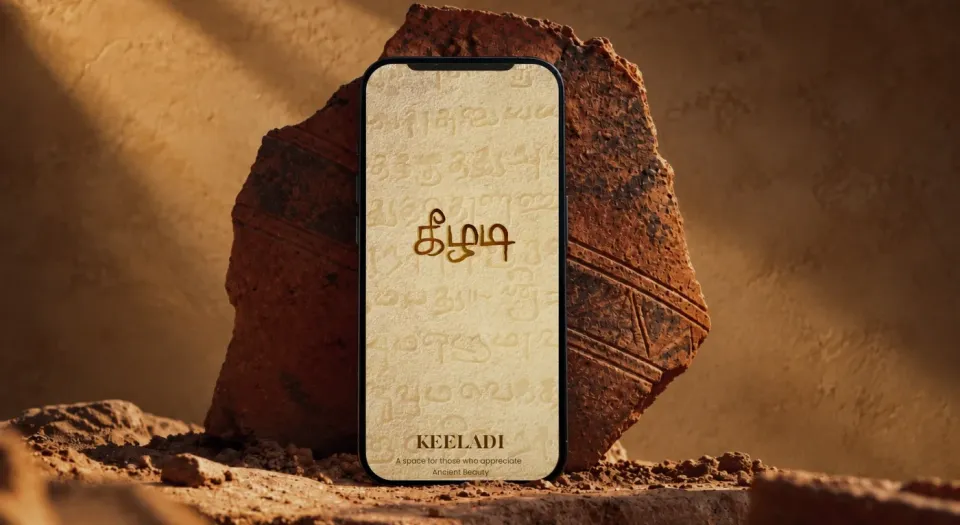
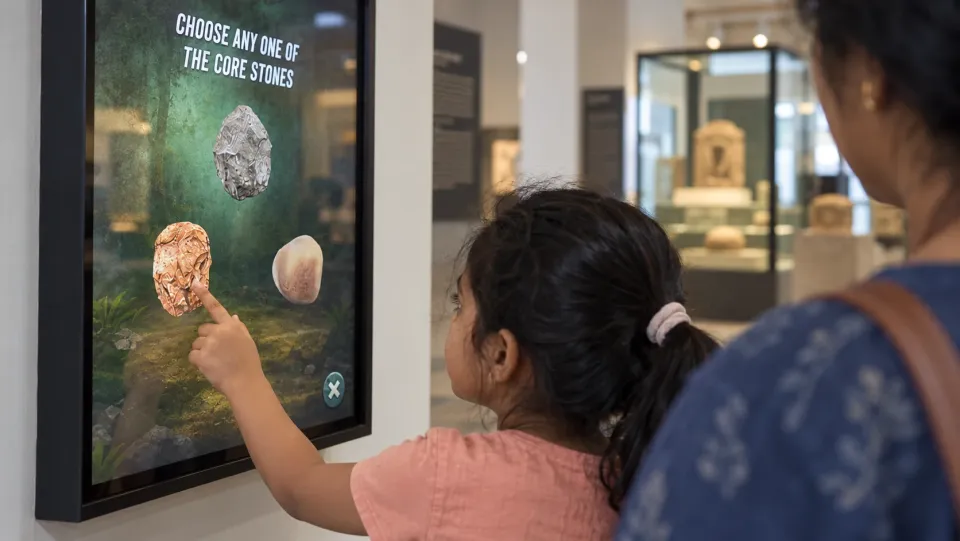
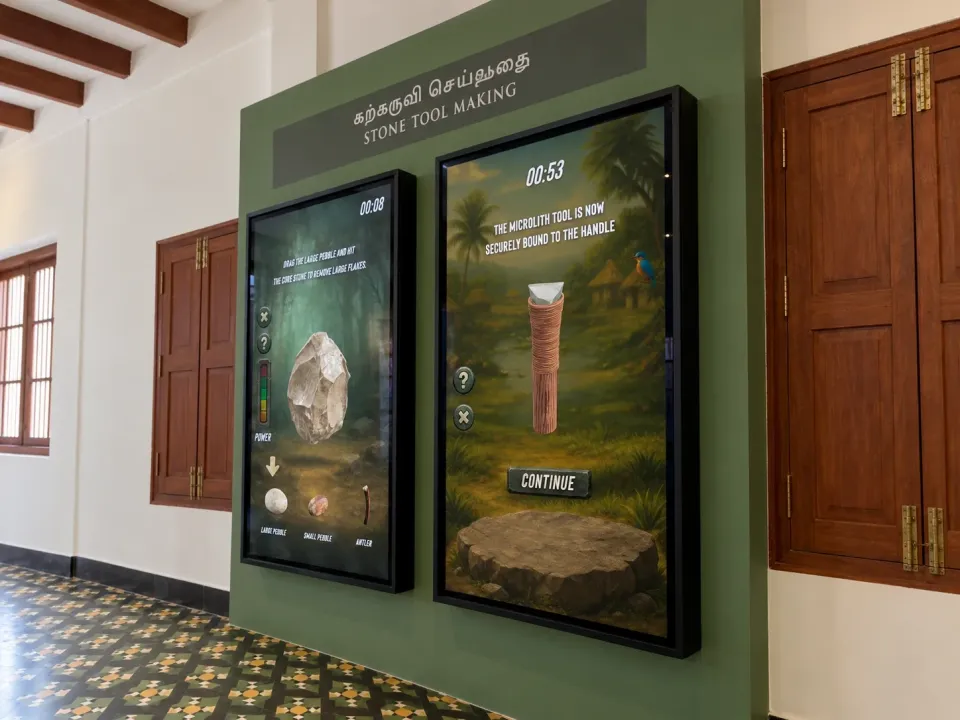
We build museum apps, 3D experiences and interactive exhibits that turn collections and historical contexts into something visitors can explore.
Design for the visitor and the gallery.
We consider the length of the interaction, the space, the devices, the languages and how visitors move through the exhibition. The technology serves the interpretation.
Why custom automation fits museums and heritage.
And why it does not have to be expensive. Start with one exhibit or one gallery, then extend it across the museum.
- 01Collections and stories are specific to you
Standard visitor tools rarely handle your objects, languages and gallery layouts well.
- 02Licences can be priced per kiosk or per app
Costs rise with every screen and every update.
- 03Content changes often
New objects, languages and exhibitions need a system your own staff can update without calling a developer.
AI has made custom automation faster to build, and better to use.
We use AI throughout the build: drafting and testing code, preparing documentation and checking edge cases, with our engineers reviewing every change. That shortens the path to a first working version, so the scope you pay for goes into your workflow rather than into waiting.
Once the system holds your records, AI can also work inside it: answering questions in plain language, reading documents to fill in fields and flagging items that need attention. These are added only where they save your team real effort.
Built to be inexpensive to run.
Automation should not become another heavy monthly bill.
- 01Your own small server
The system runs on a single server sized to your workload, so hosting stays a small and predictable cost. You pay the hosting provider directly.
- 02Minimal maintenance
There are no per-user licences. After launch we keep upkeep light, with security updates, backups and fixes covered by a small support plan that is agreed up front. If you ever stop, the system keeps running.
- 03Costs agreed before we start
You get a written scope, timeline and price before any work begins. Hosting and maintenance are quoted separately, so there are no surprises later.



Three steps to a first release.
- 01
Understand
Map the current workflow and responsibilities.
- 02
Scope
Agree a focused first release and its dependencies.
- 03
Build
Review the working system with the people who will use it.
What clients say.
“Brown Button brought 300 Keeladi artefacts into people's hands, in 3D and AR, in English and Tamil. Seeing it launched by the Chief Minister, and used by thousands of visitors, made us proud of what we built together.”
Prakash DDirector, Keeladi Museum App and Porunai Museum “Brown Button turned our printed Common Worship book into an app congregations carry everywhere, and built a website and CMS our own team can run. Patient, thoughtful and always available when we needed them.”
 Rev. Jeba DanielDirector, Department of Communication, Church of South India
What we can build.
- 3D artefact capture
- Interactive models
- AR experiences
- Touch-screen exhibits
- Multilingual content
- Content management as scoped
What should visitors discover through the experience?
Tell us how the work happens and what you want to improve.
Discuss an experience